Introduction
Replacing a gas boiler with electric heating can modernise a property without requiring a complete central heating redesign. Electric systems use existing radiators and water circuits in many homes, while removing the need for combustion, flues, and gas connections. Households can gain greater installation freedom, simpler servicing, and improved control over room temperatures. Careful planning remains essential, since electrical capacity, heat demand, running costs, and hot water use all influence the most suitable solution.
Is the Change Difficult?
Before any decision, households should compare heating demand, tariff rates, insulation quality, and available electrical capacity. A qualified installer can assess pipework, radiators, controls, and consumer unit requirements. This review helps homeowners replace gas boiler with electric without assuming every property needs identical work. Existing plumbing often remains useful, while supply upgrades may affect timing and budget.
How Electric Heating Works
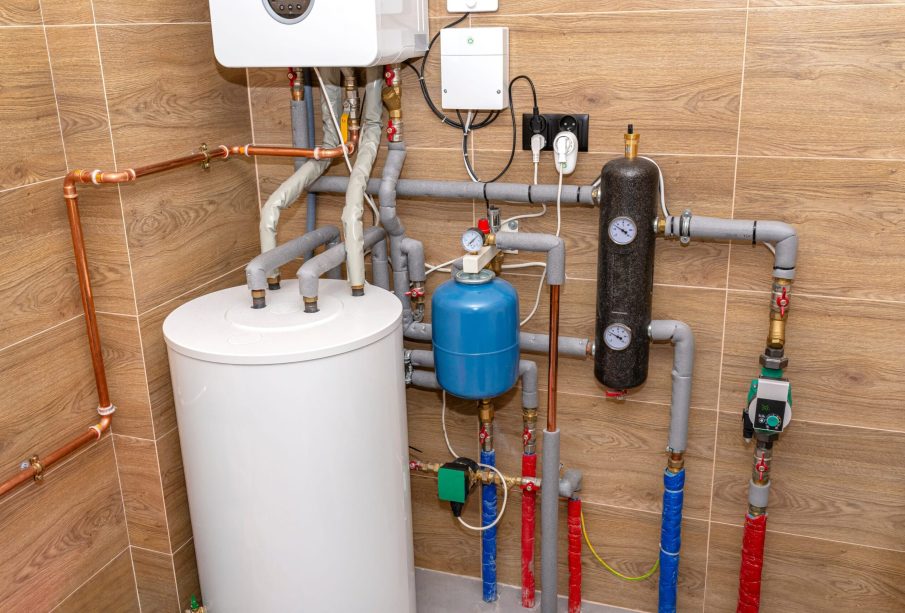
An electric combi boiler heats water through electrical elements instead of burning fuel. Warm water then travels through existing radiators, creating familiar indoor comfort. Hot water can also reach taps without a separate gas flame. Since electricity converts directly into heat at the appliance, no energy leaves through combustion gases. Actual household costs still depend on tariffs, usage, insulation, and heating habits.
Removing the Existing Boiler
A certified professional should isolate the gas supply before dismantling the old appliance. Safe removal may include disconnecting pipework, taking away the flue, and sealing redundant connections. Gas meter changes require coordination with the relevant supplier. Proper handling protects occupants and prevents unfinished work from affecting future maintenance. Removing obsolete equipment also creates an opportunity to inspect nearby pipework, valves, and wall surfaces.
Preparing the Electrical Supply
Electric boilers can draw substantial power during heating and hot water production. An installer should check the incoming supply, consumer unit, protective devices, and cable size before fitting the replacement. Some homes may need upgraded wiring or improved circuit protection. Early assessment prevents delays and supports safe operation. The final setup should follow current UK electrical standards and manufacturer instructions.
Reusing Existing Plumbing
Many replacement projects retain the current radiator network and water lines. This approach can reduce disruption, material use, and installation time. A professional should test joints, valves, expansion arrangements, and circulation performance before connection. Older radiators may need balancing or cleaning to improve heat distribution. Leaks, corrosion, or restricted flow should be corrected before the new appliance begins regular service.
Installation Location and Space
Electric boilers do not need a flue, so placement can become more flexible. A suitable position may remain near the former appliance, or move to another practical area. The location should provide access for servicing, safe cable routing, and convenient pipe connections. Compact equipment can benefit smaller homes, although required clearances must always follow the maker’s guidance.
Heating Controls and Comfort
Modern controls allow households to set schedules, temperatures, and hot water preferences with greater precision. A replacement system may connect with an existing thermostat, or receive a new control package. Timers can reduce unnecessary heating during empty periods. Room sensors may also improve comfort by responding to changing conditions. Simple programming helps residents match energy use with daily routines.
Safety Benefits
Electric heating produces no combustion gases at the point of use. This removes risks associated with gas leaks, flue problems, and carbon monoxide from the appliance. Homes still require suitable electrical protection and professional maintenance. Carbon monoxide alarms remain sensible wherever other fuel-burning appliances operate. Safe installation depends on competent workmanship, correct testing, and clear instructions for occupants.
Energy Use and Household Costs
Electric appliances can convert nearly all consumed electricity into heat, but efficiency does not automatically mean lower bills. Electricity prices often exceed gas rates, so running expenses depend heavily on tariffs and demand. Better insulation, draught reduction, smart scheduling, and lower flow temperatures can help control consumption. Households should compare projected annual use rather than relying on appliance efficiency alone.
Environmental Considerations
Electric heating produces no emissions inside the property and can support cleaner operation when supplied by renewable generation. Its wider environmental effect depends on the electricity mix, building performance, and total demand. Pairing the system with insulation improvements can reduce energy requirements. Solar panels or renewable electricity tariffs may provide further benefits, although installation costs and available roof space need careful review.
Planning a Successful Upgrade
A clear plan should cover heat-loss assessment, electrical checks, plumbing inspection, appliance sizing, controls, and removal arrangements. Written quotations should identify labour, certification, disposal, possible supply work, and future servicing. Households should also confirm warranty conditions before accepting an installation. Good preparation reduces surprises and helps the new system deliver reliable warmth throughout the year.
Conclusion
Replacing a gas boiler with electric heating can provide a cleaner, quieter, and more flexible approach to home warmth. Existing plumbing may remain in service, while the absence of a flue opens additional placement options. Electrical capacity and tariff costs deserve close attention before work begins. With professional installation, suitable controls, and sensible insulation improvements, households can modernise heating performance while creating a safer and simpler home system.