5 Common Cosmetic Mistakes That Are Damaging Your Skin
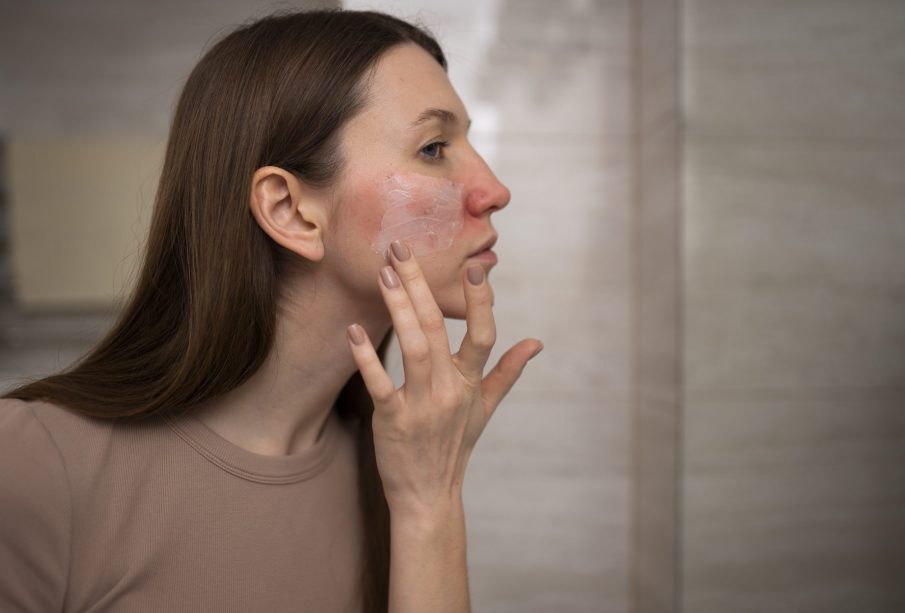
Makeup and skincare are wonderful tools for self-expression and confidence, but how we use them matters just as much as the products themselves. Even the most expensive cosmetics can cause long-term harm if applied incorrectly or without a solid foundation of skin health. To keep your complexion glowing and healthy, here are five common beauty pitfalls to avoid and the best ways to correct them.
1. Relying Solely on Makeup for Sun Protection
The Error: Many people skip a dedicated sunscreen because their foundation or moisturizer claims to have SPF. Unfortunately, the amount of makeup we typically apply is far too thin to provide the protection advertised on the bottle. The Consequence: Without a proper shield against UV rays, your skin becomes vulnerable to accelerated aging, dark spots, painful burns, and a significantly higher risk of skin cancer. The Solution:
- Treat sunscreen as a non-negotiable step, separate from your makeup.
- Use a broad-spectrum SPF of 30 or higher every single day, regardless of the weather.
- If you are outdoors, remember to reapply every two hours.
2. Hitting the Pillow with a Full Face of Makeup
The Error: Whether due to exhaustion or forgetfulness, sleeping in makeup is a major skincare sin. The Consequence: Overnight, makeup mixes with oil and environmental pollutants, creating a recipe for clogged pores and acne. Furthermore, your skin regenerates while you sleep; a layer of makeup creates a barrier that hinders this natural repair process, leading to dullness and premature wrinkles. The Solution:
- Make cleansing a mandatory nightly ritual.
- Use a dedicated makeup remover or micellar water to break down products.
- Follow up with a gentle facial cleanser to ensure the skin is completely clean before bed.
3. Being Too Aggressive with Exfoliation
The Error: The feeling of freshly scrubbed skin is satisfying, but scrubbing too hard or too often does more harm than good. The Consequence: Over-exfoliating strips away the skin’s protective moisture barrier. This leaves the face raw, inflamed, and hypersensitive to the environment. It can ironically cause the skin to produce more oil to compensate for the dryness. The Solution:
- Limit exfoliation to 1–3 times a week max.
- Steer clear of harsh, gritty scrubs that cause micro-tears in the skin.
- Consider gentle chemical exfoliants, such as AHAs or BHAs, which dissolve dead skin cells without physical abrasion.
4. Hoarding Old Beauty Products
The Error: It’s tempting to keep a favorite lipstick or eyeshadow palette for years, but cosmetics have a shelf life for a reason. The Consequence: Preservatives in makeup break down over time, turning your products into breeding grounds for bacteria. Using expired items can lead to eye infections, breakouts, and skin irritation. The Solution:
- Perform a regular “vanity audit” and toss anything past its prime.
- Watch for changes in smell, texture, or color—these are clear signs a product has gone bad.
- Store your beauty stash in a cool, dry place to help products last longer.
5. Overlooking the Ingredient Label
The Error: Buying products based solely on packaging or hype without checking what is actually inside the bottle. The Consequence: Many cosmetics contain potential irritants like sulfates, parabens, or synthetic fragrances. For those with sensitive skin, these can trigger allergic reactions, redness, and inflammation. The Solution:
- Educate yourself on ingredients that typically irritate your specific skin type.
- Look for terms like “hypoallergenic” or “non-comedogenic” (won’t clog pores).
- Always do a patch test on a small area of skin before applying a new product to your entire face.
Bonus: 3 Pillars of a Skin-Safe Routine
- Hygiene Matters: Dirty makeup brushes are a haven for bacteria. Wash your tools regularly to prevent introducing germs to your clean skin.
- Hydration is Key: Makeup sits better on hydrated skin. Drink plenty of water and never skip moisturizer; this prevents your makeup from looking cakey or flaky.
- Customize Your Care: There is no “one size fits all” in beauty. Build a routine that respects your specific skin type—whether it is oily, dry, or sensitive—and be willing to adjust it as the seasons or your skin’s needs change.
Conclusion
Cosmetics should be an enhancement, not a hazard. by sidestepping these common errors—like skipping SPF or sleeping in mascara—you protect the integrity of your skin. Prioritize a routine that focuses on health and hygiene, and your natural radiance will shine through, with or without makeup.


Leave a reply
You must be logged in to post a comment.


