Introduction
Tire alignment affects far more than straight steering. It shapes tread wear, braking balance, fuel use, and day-to-day control during Calgary travel. Many drivers notice a problem only after a vehicle drifts, shakes, or scrubs rubber too quickly. Those signs deserve quick attention because small angle errors can build larger repair bills. A clear grasp of alignment basics helps drivers spot risks early and respond with better timing, lower costs, and steadier handling.
Early Clues
Small steering changes often signal alignment trouble before any dashboard warning appears. Drivers researching local help often compare rotation, balancing, and Tire Repair in Calgary options while checking tread patterns, vibration, and pulling. That broader review matters because alignment faults can mimic tire damage. A careful inspection separates angle problems from punctures, bent rims, or worn suspension parts.
Why It Matters
Alignment sets each wheel at an angle the manufacturer intends. Even slight deviations increase rolling resistance and push tread blocks sideways across pavement. That extra friction shortens tire life and can strain steering parts over time. Poor settings also reduce stability during rain, gravel, or sudden lane changes, and braking corrections may feel less predictable.
Toe and Camber
Two measurements cause most visible symptoms, toe and camber. Toe describes whether tires point slightly inward or outward when viewed from above. Camber tracks inward or outward lean when seen from the front. Excess toe scuffs tread edges fast, while bad camber wears one shoulder, changes cornering grip, and can upset braking feel. Both need precise adjustment.
Signs on the Road
Warning signs often appear gradually, which makes them easy to dismiss. A crooked steering wheel, feathered tread, cabin vibration, or a pull during light braking all deserve attention. Drivers may also hear humming from uneven contact patches or feel a faint shimmy at steady speed. Snowy streets can hide symptoms briefly, yet damage keeps building underneath normal daily use for months.
Common Causes
Common causes extend beyond potholes, though potholes remain a major trigger. Hard curb contact, worn suspension joints, collision damage, and overloaded cargo can all alter wheel angles. Seasonal freeze-thaw cycles add stress to bushings and mounts, which can loosen settings over time. After any sharp impact, a prompt check can prevent longer wear patterns from settling in later.
How Shops Check It
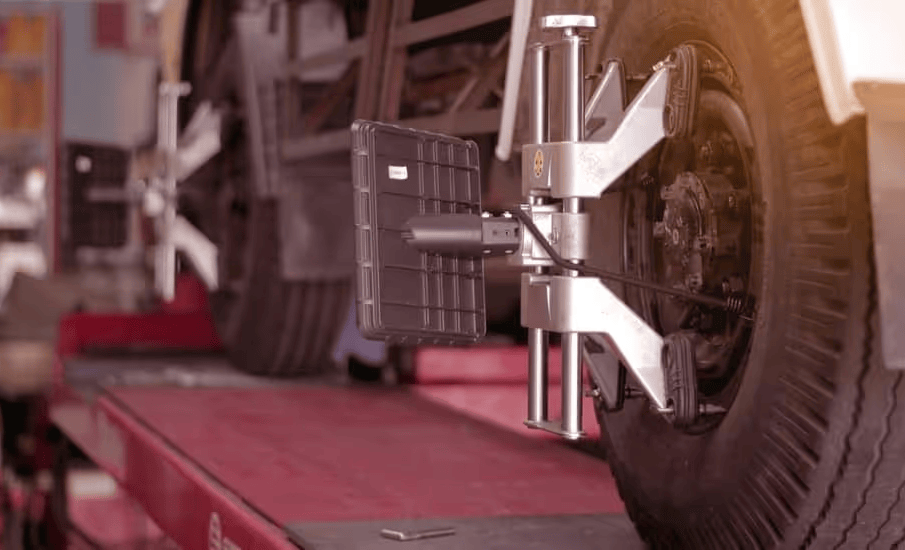
Alignment checks usually start with tire condition, ride height, and steering play. Technicians then measure wheel angles against factory targets using calibrated equipment. If readings fall outside tolerance, adjustments are made at tie rods or other suspension points. A road test afterward confirms straight tracking, checks steering return, and helps catch issues that numbers alone may miss.
After the Adjustment
Fresh alignment does not erase old tire wear. If tread was already scalloped or feathered, noise may remain until tires are rotated or replaced. Steering can feel lighter right away, yet drivers should still monitor pressure and balance. That follow-up makes it easier to judge whether the repair solved the root cause fully, or not.
Why Delay Costs More
Delaying service can cost more than many drivers expect. Misalignment wastes fuel, shortens tire replacement cycles, and places added load on ball joints or shocks. That chain can turn a modest adjustment into a wider suspension repair with higher labour costs. Regular checks after seasonal tire swaps help catch small shifts before they spread across other parts.
Habits That Help
Prevention depends on habits as much as hardware. Correct tire pressure, timely rotations, and balanced loads reduce stress on alignment settings. Clean driving over ruts and speed bumps also limits sudden geometry changes. Service records matter too, because repeated corrections may point to worn components, bent wheels, or weak bushings that adjustment alone cannot solve safely.
Best Time to Check
A useful rule is simple, check alignment whenever new tires are installed or unusual handling appears. Annual checks also make sense for vehicles facing rough streets or long highway commutes. After suspension work, measurements should be verified before fresh tires start wearing unevenly. Early action protects both safety margins and maintenance budgets, especially during heavy seasonal driving.
Conclusion
Tire alignment is a quiet maintenance item, yet its effects reach steering feel, tire costs, and road safety. Drivers who watch for drift, uneven tread, or steering wheel changes can act before damage spreads. Routine inspections, especially after impacts or seasonal swaps, keep wheel angles near factory range. That simple attention supports steadier handling, longer tire life, and fewer surprise repairs across Calgary driving. For most vehicles, that check is small, quick, and worth scheduling before symptoms grow louder.