What To Know Before Getting Professional Eyelash Extensions
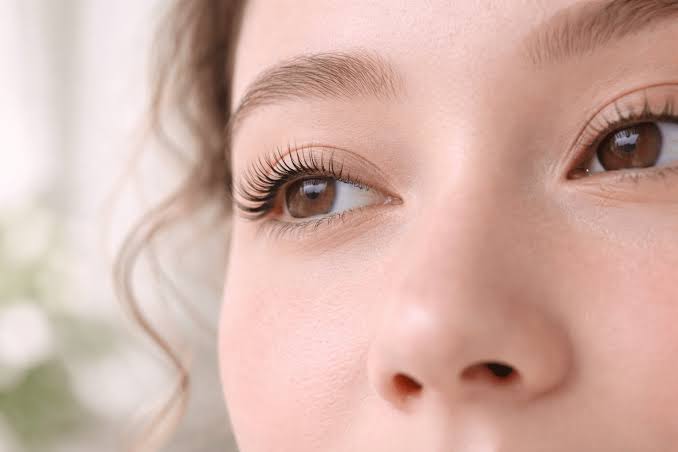
Professional eyelash extensions can define the eyes, reduce reliance on mascara, and suit many personal styles. Safe results depend on lash condition, adhesive quality, application technique, and consistent aftercare. Before booking, clients should consider treatment risks, appointment length, maintenance costs, sleeping habits, and removal methods. A thorough consultation gives each person time to discuss allergies, eye sensitivity, preferred fullness, and the condition of their natural lashes.
Choose a Qualified Technician
A reputable salon should explain technician training, sanitation procedures, adhesive ingredients, and appointment policies. Clients researching eyelash extensions in Brisbane can compare consultation standards before choosing a provider. Clear answers help each person assess whether individual fibres, clean instruments, suitable adhesives, and safe isolation methods are used. Portfolio images offer useful evidence, although detailed questions provide stronger insight into professional practice.
Review the Main Styles
Classic extensions attach one fibre to each natural lash, creating a defined finish similar to mascara. Hybrid sets combine classic placement with lightweight fans for added texture. Volume treatments use several fine fibres per lash, producing greater density. A qualified technician should discuss curl, length, diameter, and coverage. Fine natural lashes usually require lighter materials, while stronger growth may support more noticeable styling.
Consider Eye Shape
Eye shape affects the balance of a finished set. Open-eye mapping can create a brighter appearance, while longer outer sections add width. Downturned eyes may suit controlled length near the corners, preventing excess visual weight at the edge. During consultation, the technician should assess symmetry, eyelid structure, daily routines, and desired intensity. Comfort should guide the final design more than a copied photograph.
Allow Enough Appointment Time
A first full set may take 90 to 150 minutes, depending on natural density and application method. Refill appointments often last 45 to 90 minutes. A late arrival can reduce working time and limit the results. Clients should attend with clean lashes, free from mascara, eyeliner, and oily residue.
Ask About Allergy Testing
Adhesive sensitivity may cause itching, redness, swelling, burning, or excessive watering. Some salons offer a patch test before application, although this cannot predict every reaction. Clients with eczema, a history of cosmetic allergies, contact lens discomfort, or eye disease should disclose these details beforehand. Treatment should not proceed over inflamed skin, an active infection, or damaged follicles. Ongoing symptoms require prompt medical guidance.
Understand Natural Lash Health
Every extension places additional weight on an existing lash, so length and diameter must match its strength. Excessive load can cause traction, premature shedding, discomfort, or breakage. An experienced technician should decline unsuitable requests rather than compromise follicle health. Natural lashes follow individual growth cycles, meaning small gaps may develop within two or three weeks despite careful cleansing.
Prepare for Maintenance
Most clients require infills every two to three weeks as natural shedding creates gaps. Pricing varies according to location, styling method, density, and appointment frequency. A full set usually requires a larger initial payment, followed by recurring refill costs. Advance booking supports consistent coverage. Before treatment, clients should ask about refill eligibility, cancellation terms, infill timing, and removal fees.
Follow Daily Aftercare
During the first several hours, clients should follow the technician’s instructions about moisture and adhesive curing. Gentle cleansing remains essential because oil, sweat, cosmetics, and debris can weaken attachment. An extension-safe cleanser, used with a soft brush, helps maintain a clean lash line. Rubbing, pulling, face-down sleeping, and oil-based products near the eyes can shorten retention.
Know When Removal Is Needed
Extensions should be removed by a trained professional rather than pulled away at home. Picking can remove natural lashes, injure follicles, and irritate thin eyelid skin. A controlled removal service dissolves adhesive while allowing the technician to inspect the lash line. Clients should arrange removal if pain continues, the set feels heavy, or irritation appears. Early action protects comfort and future growth.
Conclusion
Professional eyelash extensions require more than choosing an appealing photograph. Strong results depend on suitable weight, hygienic application, realistic maintenance, and consistent cleansing. Clients who disclose allergies, eye conditions, and previous reactions help technicians make safer decisions. A detailed consultation also clarifies costs, refill schedules, aftercare, and removal choices. With careful preparation, lash enhancements can provide comfortable definition while respecting the natural growth cycle of each follicle.

Leave a reply
You must be logged in to post a comment.


