9 Home Maintenance Tips To Avoid Huge Repairs Later

You know that owning a house is a constant battle against entropy. From the garage door to the shingles, something is always breaking or requiring maintenance. And regular maintenance of your home is important so small problems don’t build up into bigger ones.
It’s also important because most home insurance companies won’t cover the cost of damages caused by a lack of maintenance or neglect, which may spell costly out-of-pocket home repairs. Utilizing property maintenance services in Auckland can help you avoid these expenses by ensuring your home is properly cared for.
Spending a little money on cleaning and professional inspections can help you avoid costly home repairs and save a lot of cash.
Service your heating and cooling systems.
Replacing your cooling and heating system can cost you upwards of $12,500.
Additionally, if your heating and air conditioning systems aren’t working correctly, they have to work harder to heat or cool your home, increasing energy consumption. However, properly functioning HVAC systems will reduce your energy consumption and save money on gas and electricity.
HVAC to do:
- Changing your HVAC system ’s filters every 30 days and keeping your indoor and outdoor units clutter-free will ensure it remains in tip-top shape.
- Consider scheduling a professional in the fall and spring to perform an HVAC tune-up and inspection to ensure your system is operating efficiently.
Test your sump pumps
A sump pump pushes water away from your home’s foundation to prevent flooding and damage. If you live in an area that is prone to flooding, this is a must. Just one inch of flood water can cost a homeowner up to $25,000 in losses, according to the Federal Emergency Management Agency (FEMA). If you do not have flood insurance you could be responsible for the repair costs.
Sump pump to do:
- Test and clean your sump pump regularly.
- Invest in a backup battery will prevent failure during extreme storms, decreasing the likelihood of costly flood and water damage repairs.
Cleaning your dryer vents and lint filters is important.
A clogged dryer vent can be a fire hazard. In fact, dryers account for 90% of appliance fires in the home. Fortunately, homeowners insurance will cover most fire-related damages, but it may significantly increase your premiums.
How to fix a dryer vent
- The USFA recommends cleaning the lint filter and the back of the dryer where lint can accumulate.
- They also advise homeowners ensure the vent system behind your dryer isn’t damaged, crushed or restricted.
Replace the batteries in your smoke alarms
According to the National Fire Protection Association, 31% of home fire deaths occurred in homes without smoke alarms. 16% occurred in houses with smoke alarms which did not work. While most homeowners insurance policies will cover fire damages, a single event could increase premiums and even end your coverage.
You must always ensure that your alarm is working.
Do you know how to protect your home from fire?
- Experts recommend using daylight savings time as a reminder to replace the batteries in your smoke and carbon monoxide detectors.
- Additionally, fire extinguishers need to be replaced every 10 – 12 years, so it’s important to make a note of.
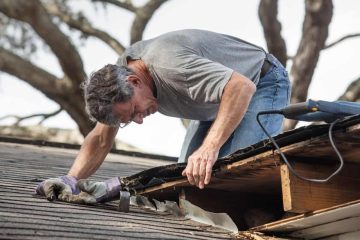
Maintain your roof.
A roofing system protects you and your family from the weather. However, a weak roof can result in water leakage and damage to your home’s foundation, not to mention your ceilings and furnishings.
Roof replacements can set you back $5,727 to $12,410, a step price tag for many homeowners. However, you can increase its lifespan by conducting regular inspections and cleaning the debris from your gutters and roof.
Rooftop Adventure
- Storm-proof your roof if you are in an area with frequent extreme weather.
- Many homeowners insurance companies offer wind-resistant and impact-mitigation discounts for fortifying your roof.
- Additionally, if you live in a cold weather snow-prone climate, you will want to remove snow from your roof and monitor warm air leaking into your attic to avoid ice dams.
Cleaning gutters and downspouts
Gutters and downspouts divert water from your home during a storm, preventing erosion, mildew damage and foundation problems.
A clean gutter and downspouts will ensure proper drainage. Check your drainage systems in the spring and fall for debris. If you live in an area with many trees, you may have to examine and clean your gutters and downspouts more often.
Gutter to do
- You can also have a professional manage your gutter cleaning.
- You can also opt to DIY by using a garden hose, leaf blower or pressure washer.
Landscape maintenance is important
You and your home can be at risk if you have dead or diseased trees. Pruning trees will promote healthy growth and help prevent trees from falling into your yard.
A removal may cost up to $2000 . While homeowners insurance will cover tree removals if a tree lands on your house or yard due to a storm, it will not cover removal if it falls due to a lack of upkeep.
Landscape to do
- Regularly prune trees and shrubs to ensure healthy growth.
- Remove dead branches and trees as soon as possible.
- Water trees with drip lines around the area where the branches extend.
Inspect your house for termites
Most homeowners insurance companies consider infestations preventable. So, insurers scarcely cover termite damages.
A termite infestation can spell costly repairs for your home, upwards of $3,000, depending on the damage’s extent. A long-term neglect can even lead to your home collapsing.
Taking the proper precautions can ensure your home remains termite-free. By limiting the exposure of your home to wood and moisture, you can avoid an infestation.
Termite to do
- Keep an 18-inch gap between the soil and your home and keep your eyes peeled for termite activity.
- Consider hiring a professional to inspect your home for termite activity annually and pre-treat your home to keep termites out.
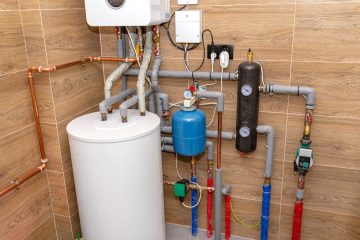
Early detection of plumbing problems is key.
Most plumbing fixtures will last a long time with proper use and maintenance, but if unmaintained you can be in hot water and an expensive visit from the plumber.
Check for leaks regularly. They can waste water or cause damage if they are not repaired. If the damage was caused by a leak that has been present for a while, your home insurance provider may deny a claim.
Plumbing is a must
- You should also clear slow moving drains and clogs quickly. A mixture of baking soda and vinegar can be enough to remedy slow moving drains.
- Regularly inspect exposed pipes and faucets for corrosion.
- It’s also a good idea to check the water pressure, which should be between 50 and 40 psi. A higher water pressure may put strain on your plumbing fixtures.
Homeownership isn’t always easy, but with a little home improvement and preventative maintenance know-how, you can avoid some expensive repair bills later.
Leave a reply
You must be logged in to post a comment.


