The Home Inspection Process: What to Expect and How to Prepare
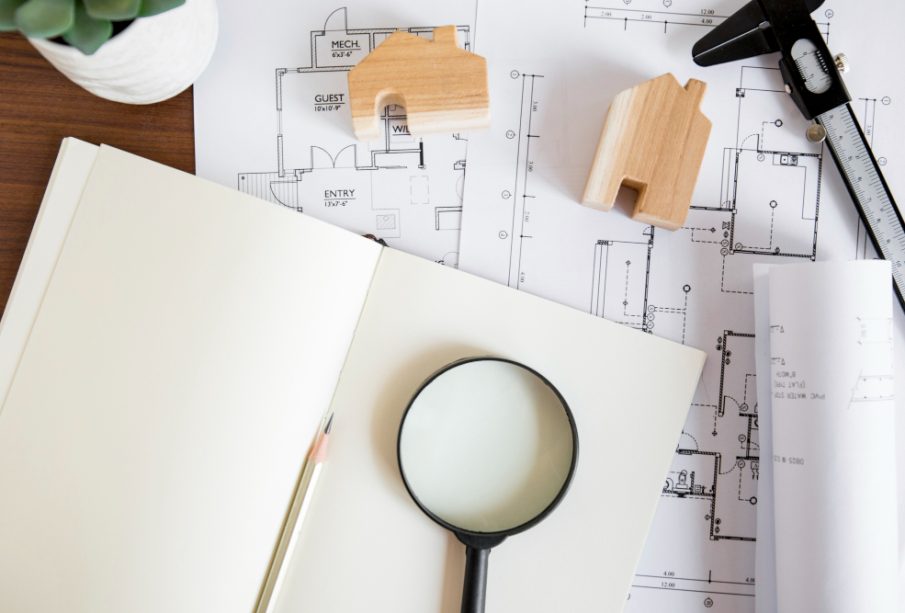
For many people, purchasing or selling a home is one of the most expensive transactions they will make in their lives. Whether you are a first-time homebuyer or sophisticated property investor,comprehending the house inspection procedure can assist in making quality decisions and avoid costly surprises. Home inspection is a comprehensive assessment of the condition of a property, it instills confidence in buyers and allows sellers to fix potential issues prior to closing. Understanding what to expect from the process and how to prepare beforehand can help facilitate the process in a more productive way for all those involved.
The Role of a Home Inspection
House inspection is an expert evaluation of the residential properties structural and mechanical methods. The inspector tends to inspect big ticket items: roof, foundation, plumbing, electrical systems and HVAC units as well as windows & doors; insulation or other really visible features. The point is to detect any trouble, a hazard, or an upkeep issue that may affect the worth of the property or how it operates.
From a buyer’s perspective, a home inspection gives you assurance by exposing the true-condition status of the property before completing your purchase. For sellers, it may reveal areas that warrant repairs before the home is listed thus mitigating potential difficulties when negotiating later in the deal.
What Happens During the Inspection?
A home inspection usually lasts around 2–4 hours depending on the size and condition of the property. The inspector will visually inspect areas of the home that are readily accessible. They will look for water damage, foundation movement, roof deterioration, electrical hazards, plumbing leaks and HVAC performance.
Inspectors generally will not do destructive testing or shift any heavy furniture, however they will assess every visible component. The inspector may conclude the inspection with a verbal summary of their findings and answer any questions from the buyer or seller. A completed written summary is typically provided within a 24–48-hour time frame.
What are Common Problems I Encounter During Home Inspections?
First and foremost, no home is going to be good in every single category. Most of the time even the new constructions can be buggy or maintenance-oriented. During property inspections, inspectors often check for certain issues that tend to occur regularly, with the most common comprising roof damage, electrical wiring deterioration, plumbing leaks and drainage problems (such as weak flow), HVAC system hydrocarbons change and foundation cracking.
Sophisticated players expect minor health issues and these are not typically deal breakers. Substantial structural or safety problems may need repair, adjustment to the price, or further examination by a specialized contractor. Well, as an inspection report is important for negotiating repairs or credits before closing.
How Buyers Can Prepare
Buyers must do their best to come to the inspection. Having them at the inspection enables them to see what the inspector sees and to have a better feel for how well or poor condition the property is in. This is also a great time to ask questions regarding maintenance needs, how the system works and if repairs may be necessary down the road.
Buyers should also conduct some research using any disclosures that are available about the property and come up with a list of questions for the inspector before the inspection happens. Buyers can take notes and the final report should be there to ensure they are making sound decisions regarding the purchase.
When looking for professional inspection services, expert providers like Home Inspection Henderson NV will maintain thorough evaluation of the property and they will help you learn about some possible problems with the investment.
How Sellers Can Prepare
There are a number of things sellers can do to make for a successful inspection. You must be able to access every part of the house from top to bottom, including the attic and basement, garage, electrical panels and utility rooms. Fix burnt-out light bulbs, replace HVAC filters and clear up minor repair issues in the lead-up to the inspection date.
If possible, try collecting receipts of any repairs, renovations or system upgrades that have occurred recently. This is a good practice, given that it demonstrates you have maintained the property appropriately, and may add some comfort to buyers concerning the condition of your home.
A tidy and clear impression of your property also helps to get through an inspection. Cleanliness does not relate to the actual condition of the home but indicates that this property has been regularly maintained over a period of time.
Final Thoughts
A home inspection is a vital aspect of any real estate transaction. It provides tremendous information that lets buyers know what they are buying and gives sellers a chance to address issues before closing. Both parties can feel confident managing the inspection process by knowing what to expect and preparing accordingly.
Conducting a complete inspection can safeguard your investment whether you are attempting to buy that dream house or preparing to sell your residence. Doing so in advance ensures that the process goes as smoothly as possible and prevents unexpected surprises down the line.


Leave a reply
You must be logged in to post a comment.


