How Tiny Houses Are Helping Curb Homelessness
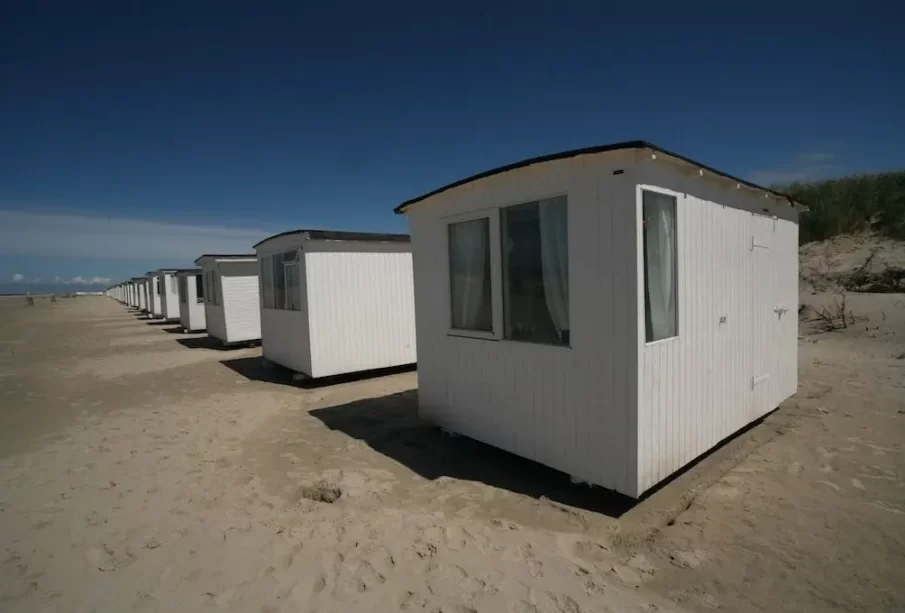
I once read home, which means that you are related to someone — that you are related to. In 2017, 553,742 Americans were homeless and lacked belongings. According to Housing and Urban Development, 35 percent of homeless people lived in unsheltered areas. Homelessness is now a major challenge for social workers in the United States. Homelessness is a problem that people and organizations across the country are trying to solve.
It’s been difficult to find housing for the homeless. The problem of housing the homeless continues to grow as low-income housing becomes more scarce. There are only 30 apartments available for renters who fall within the “extremely poor income” category.
This problem can be solved by providing low-income people with tiny homes at affordable prices. The lockable doors of their tiny, but very effective tiny homes offer more privacy than shelters in cities. This is something that many people who are in desperate need appreciate. Many private donors and local governments provide homes for the homeless, rather than forcing them to find one. These are how communities across the country are helping the homeless belong to something.
Housing First Initiative
Housing First is an initiative that provides affordable and permanent housing for homeless people. To help people in need, services and support are offered to ensure they have housing and do not return to homelessness.
This approach is focused on emergency shelters, street outreach providers, or other crisis response options.
Housing First allows someone experiencing homelessness to find permanent housing without the need to deal with other issues than those of a renter. This approach can help homeless families because of a temporary financial crisis. Housing First has been proven to be an effective way to end homelessness in chronically homeless people.
There are two Housing First options. Permanent supportive housing (PSH), is available for people and families suffering from mental health problems, chronic illnesses, substance abuse disorders, disabilities, and those who have been homeless or had to live in temporary or permanent accommodation. PSH combines affordable housing with supportive services and healthcare that helps people and families live more stable lives.
The second Housing First approach is rapid rehousing. This option is designed to assist individuals and families in relocating to permanent housing. There is no requirement for rapid rehousing, just like PSH. Individuals have access to resources that are specific to their household’s needs.
Tiny House Communities that Work
Tiny houses can be found everywhere these days, including tiny house villages. Gregory Kloehn, a Oakland resident, uses recycled materials to build tiny homes for the homeless. These homes were inspired by the many structures people build on the streets. He found inspiration to create homes from old objects. Gregory does not use traditional Housing First Initiatives to complete a home. Instead, he puts it on the street and takes photos. Then he gives it away.
Orthello Village, Seattle, Washington is the third village that the city has authorized. It is home to 28 tiny homes measuring 96 square feet. The average price of these homes is $2,200 for supplies. Most of the construction was done by volunteers. The village has also been able to install heat and electricity thanks to donations from individuals, foundations, and organizations.
Orthello Village shares an office, a shower trailer, security booth and a donation shelter on their property. The city pays for water, garbage collection and counseling. Orthello Village prohibits fighting, drinking and drug use. Residents who violate the community rules are expelled and must be approved again by the village.
Dignity Village, a Portland transitional housing community and intentional community, provides shelter for 60 people per night year round since 2001. It is the oldest, most established and city-approved tiny house village in America. Dignity Village, which works with organizations such as Portland’s Opportunities Industrialization Center (POIC), provides a safe, secure environment free from theft, drugs, alcohol, and violence for homeless people, either temporarily or permanently. Portland’s two-year limit on each individual’s stay is 2 years. Villagers can apply for an extension of their stay by serving in leadership roles at Dignity Village.
Most of the structures are made with reclaimed or recycled materials. Dignity Village’s purpose is to provide safe housing with low environmental impacts. Every tiny house has a bed and a propane heater. Very few houses are connected to electricity. To help cover operating costs, residents pay $35 per month. Private donations make up the rest of the operating budget. The village shares two sinks, one shower, and many port-a-potties.
Some tiny houses have their showers, toilets, kitchenettes and kitchenettes. Others have shared kitchens and showers. Each village is different. Some villages are completely free while others require a small rental fee.
What does it do?
Housing First initiatives are proving to be a viable solution to homelessness. Individuals and families who are chronically homeless have the opportunity to put down roots. This increases their chances of staying stably housed. PSH has a long-term retention ratio of 98 per cent. Studies have shown that people can be housed with rapid re-housing programs in as little as two months. Numerous studies have shown that 75-91 percent of homeless households remain housed for at least one year after being re-homed.
PSH studies have shown that most clients use optional supportive services that help them maintain their housing stability. These services have been shown to increase the likelihood of clients participating in training programs, quitting substance abuse, attending school, and having fewer domestic violence experiences than those who do not.
It has been proven that permanent supportive housing is cost-effective. Access to housing makes it less likely that individuals will need emergency services such as hospitals, jails and shelters. A study showed that a Housing First program could save an average of $32k on emergency services over two years.
The studies all show that tiny homes can be used to reduce homelessness. Everyone succeeds when a community works together to help each other. It doesn’t matter if you think it’s your problem. We must protect vulnerable people in our communities.



Leave a reply
You must be logged in to post a comment.

