Epsom salt for acne
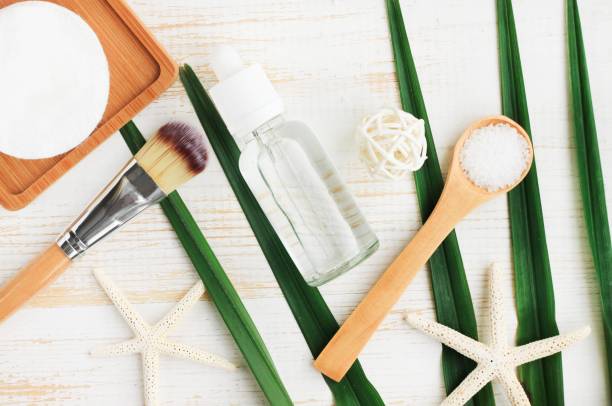
Epsom salt, or magnesium sulfate, is used topically by many people to relieve aching muscles, reduce tension, and treat skin conditions such as acne. Magnesium, an essential element of your body, is a nutrient that you can obtain from a variety of foods. Magnesium plays a vital role in the health of your bones, muscles, heart, and nerves.
Although there is limited evidence that the skin can absorb magnesium in Epsom Salt, some anecdotal reports indicate that Epsom Salt may relieve certain skin conditions.
Epsom Salt for Blackheads and Pimples
Acne causes pimples and is marked by Blackheads or Whiteheads. Acne occurs when dirt, oil, and dead skin cells block hair follicles. Epsom salt can be used to reduce acne inflammation and swelling.
You can use Epsom salt to treat acne at home in five different ways.
- Epsom salt facial soak
- In 2 cups warm water, dissolve 2 to 3 tablespoons of Epsom Salt.
- This solution can be used to soak a washcloth.
- The washcloth should be placed over your face to cool. To protect your eyes from the sting, avoid covering them.
- Fold the washcloth in two and drape it across a portion of your face when you are seated or lying down.
- Repeat the steps above to treat the other areas of the face.
- Rinse off your face with warm water.
- Epsom salt spot treatment
- In 2 cups warm water, dissolve 2 to 3 tablespoons of Epsom Salt.
- Use a cotton ball or a clean cloth to apply the solution.
If you are using Epsom salt to treat a specific area or soak your skin, be sure to wash it off with warm water.
Epsom salt exfoliation
Epsom salt’s coarse texture may help remove dead skin cells and loosen blackheads.
- To make a paste, mix Epsom salt and an oil such as Olive oil or Almond oil.
- Use the paste as a facemask or only on areas prone to acne. Apply the paste to your skin using circular motions. Work it in for a few minutes.
- Rinse with warm water.
- Epsom salt mask
Mix an avocado and Epsom salt to create a face mask. Avocados contain a lot of water, so they are a good base for facemasks.
- Whip or mash an avocado until smooth.
- Add the Epsom Salt and stir until a thick consistency is achieved.
- Spread the product thinly over your face and allow it to dry for 20-30 minutes.
- Rinse thoroughly with warm water.
- Epsom salt bath for body acne
Body acne can affect areas like the back and shoulders, as well as your chest. Epsom baths are a great way to use Epsom for body acne. Pour one cup of Epsom Salt into a warm bathtub and soak in it for 20 minutes. Rinse with warm water and mild soap.
Considerations
Epsom salt is largely used as a topical treatment for acne. Most people consider it safe to use Epsom salt topically. Epsom salt, however, can leave an uncomfortable, drying residue on the skin if it is not completely washed away.
Epsom salts can also cause an allergic reaction. Seek medical attention immediately if you have an allergic reaction, such as hives ra, sh, or swelling of your lips, tongue, or lips.
Use of products for acne treatment or prescription medication may help you achieve better results.
There are natural ways to reduce acne and improve the health of your overall skin. You can also add foods and vitamins to your diet.
What is Epsom Salt?
Epsom Salt is a chemical compound made up of magnesium, sulfur, and oxygen. Magnesium, a mineral that is essential to the body’s functions, can be found in many different forms. Magnesium is needed for many parts, including regulating blood glucose, stabilizing blood pressure, controlling muscles, and conducting nerve activity. Magnesium is mainly obtained through food and oral supplements.
Bottom Line
Epsom salt can help reduce inflammation and swelling. Epsom salt may help exfoliate dead cells and loosen blackheads. Epsom salt has been used for acne by many, though its effectiveness is not scientifically proven. It is worth trying, especially if you have mild acne or it occurs rarely.


Leave a reply
You must be logged in to post a comment.


