Are Cashews Good for You? Benefits and Health Insights
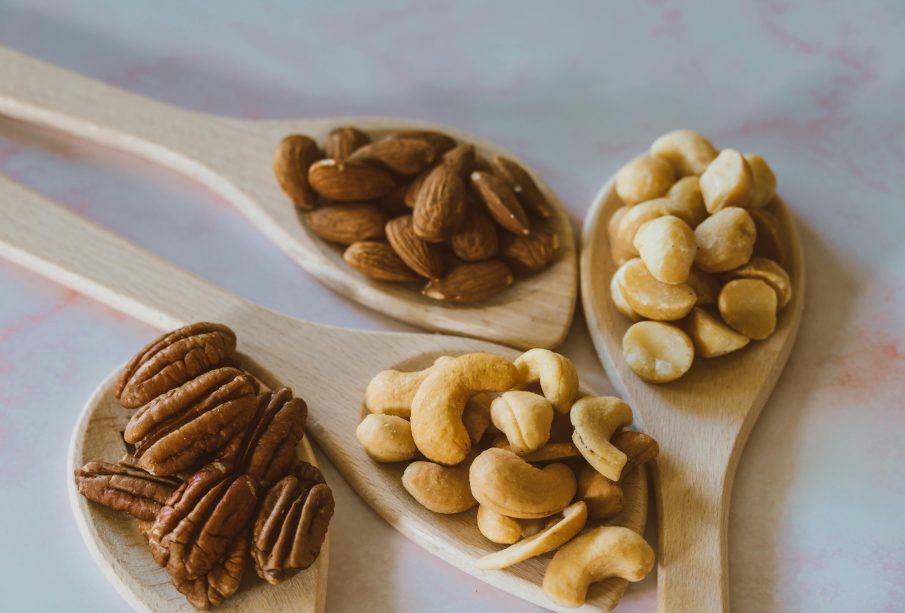
Cashews are a common global nut, enjoyed for their creaminess and mild taste. These are mostly used in Snacks, Cooking and even Desserts. In addition to their flavour, cashews have some positive nutritional aspects that make them an essential element in a good and balanced diet. To determine if cashews are healthy, we need to consider their nutritional profile, health-promoting properties, and any potential concerns.
Nutritional Profile of Cashews
There are a lot of essential nutrients in cashews that bring the overall well-being. Such foods offer high-quality monounsaturated and polyunsaturated fats, plant-based protein, vitamins, and minerals. A one-ounce serving typically contains:
- Calories: Approximately 155
- Protein: Around 5 grams
- Fat: 12 grams, mostly unsaturated
- Carbohydrates: Roughly 9 grams
- Fiber: Around 1 gram
Vitamins and minerals: rich in magnesium, copper, manganese, phosphorus, and zinc
Cashews contain essential nutrients that work together to support different processes in the body, such as the production of energy, signaling of nerves, and support for bones. They are also ideal for plant-based diets as they have moderate protein content.
Are Cashews Good for You? Heart Health Benefits
Some research suggests that heart-healthy cashew nuts may have a beneficial effect on heart health when consumed as part of a healthy diet. Cashews are loaded with unsaturated fats, which have the ability to maintain cholesterol levels in the body, thereby minimizing the chance of cardiovascular problems. Cashews are a great source of magnesium that keeps heart rhythm and vascular function normal. Furthermore, the antioxidants found in cashews can help protect against oxidative stress directed at the cells, which is related to many chronic diseases.
The modest addition of cashews as part of a healthy diet may provide heart-protective benefits without causing excess calorie intake. It is, however, best to take up in supervised doses because of their Vitality-density.
Provides Support for Bone and Muscle Function
Calcium, phosphorus, and magnesium are some of the vital minerals for strong bones and muscle function, which are provided by cashews. Together, magnesium and phosphorus help build bone density, and copper aids the creation of collagen and elastin, both necessary for connective tissues. The same goes for the protein in cashew nuts, which is also favorable for the process of repairing and building muscle. Cashews can be incorporated into meals for those looking to increase ops for bone health or a more active lifestyle.
Weight Management Considerations
Cashew nuts are quite energy-dense, but they may help with weight management. Research indicates that nuts can make you feel full, leading to lower calorie consumption over the course of the day. You feel fuller for longer, and they also provide protein, fiber, and healthy fats, which help you avoid overeating. Remember, moderation is key; overindulging can lead to involuntary excess calories.
Blood Sugar Regulation
Cashew nuts have a low glycemic index and do not raise blood sugar levels. With their fiber and healthy fat, they can slow digestion and keep energy levels stable. If you eat a meal or snack with cashews, you can achieve proper satiety and nutrients, and also better blood sugar stability. Combining them with additional healthy foods may boost their blood sugar-stabilizing effects.
Cognitive and Brain Benefits
Whether the nutrients, when it comes to cashews, additionally contribute to cognitive function. Magnesium assists with the signalling of nerves and supports brain health, and copper keeps neurological functions in check. Cashews contain natural antioxidants that can prevent oxidative damage from gaining the upper hand over time, thought to be a contributing factor in age-related cognitive decline. In moderation, some of it can furnish properties to aid memory, concentration, and general brain health, if consumed at regular intervals.
Potential Allergies and Considerations
But for some people, cashews may trigger allergy symptoms. Reactions can vary from mild itching to severe anaphylaxis. Persons with obvious nut hypersensitivity should avoid cashews altogether. One downside to cashew nuts is the high calorie level; thus, portion control is vital to hitting weight goals. Roasted or salted types may be rich in added sodium, which can influence blood pressure when eaten in excess.
Cashews: Incorporating Them into Your Meals
Here are a few ways to enjoy cashews to get the most from their nutritional benefits:
- Snack: A few cashews, raw or lightly roasted, are an easy snack.
- Culinary Usage: Cashews can offer a creamy haven; enjoy them in stir-fry, salad, or grain bowls.
- Nut Butters: It can be used as a creamy spread instead of a cashew butter spread.
- Dairy Replacements: Creamy and nutty cashews can be blended into non-dairy milk or creamy sauces.
If you eat cashews in moderation and pair them with different whole foods, you’ll have a better range of nutrition.
Explore: Are Grapes Good for You? Health Benefits You Should Know
Conclusion
The answer to whether cashews are good for you is yes in moderation and when eaten as part of a balanced diet. Cashews are packed with nutrients, beneficial for heart and bone health, help manage blood sugar, and give a boost to cognitive health. Knowledge of allergies, quantities, and sizes can help people savour these nuts safely and efficiently. Proper use of cashews can allow you to enjoy the taste and countless health benefits provided by cashews.



Leave a reply
You must be logged in to post a comment.


