Blood Cancer Rash: Common Symptoms and Treatment
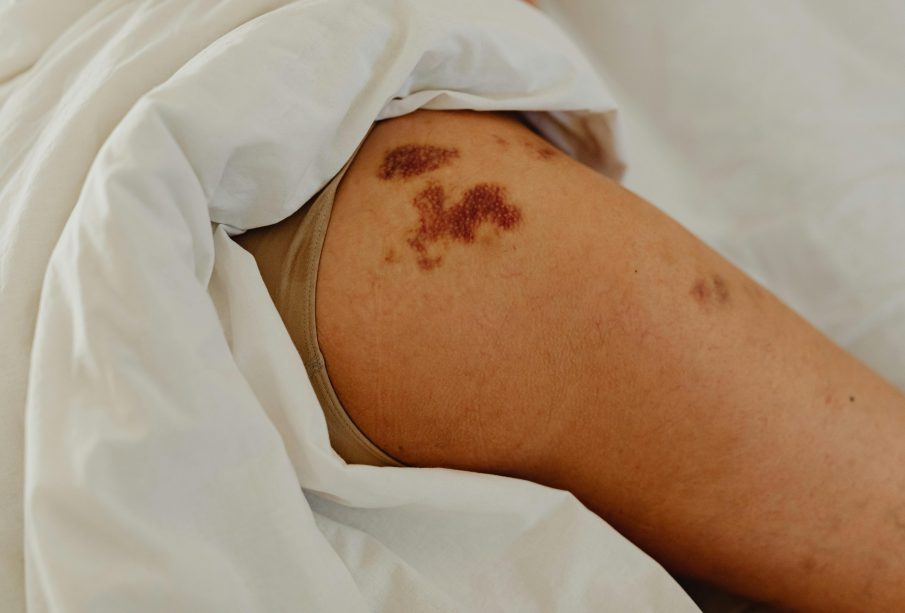
Blood cancer is a fatal disease that denotes abnormal blood cell production and blood cell function. Blood cancer rash, one of the earliest signs of blood cancer, may appear as a symptom of blood cancer in case of an underlying health problem. It is of utmost importance that we identify such symptoms as early as possible to facilitate prompt medical treatment. In this post, we discuss what blood cancer rashes look like, their signs, potential causes, and treatment options.
Understanding Blood Cancer Rash
Blood cancers can cause a rash that appears as small, red or purple spots on the skin. These areas can appear as bruises or small dots and can be found in various locations on the body. They occur because of a reduction in platelets, making your blood less able to clot. A few rashes may also be caused by diseases that the immune system cannot protect against in a sufficient manner.
Blood cancer can cause different types of rashes:
- Tiny red or purple spots known as petechiae
- Big contusions that come up without injury
- In some cases, itchy or irritated patches
The rash alone does not have to be blood cancer, but it can be a potential sign of blood cancer when accompanied by any symptoms. When it comes to treatment success, early diagnosis makes a significant difference.
Symptoms That Occur Along with Rash in Blood Cancer
Blood cancer often comes with other, more obvious signs, but a rash can be one of them. Being aware of these signs can lead people to seek medical attention sooner. Some common indicators include:
- Fatigue: Extreme tiredness that does not go away with rest
- Frequent infections: Frequent colds, flu or other illnesses
- Unexplained bruising: Large bruises without trauma
- Fever and sweats at night: These episodes happen regardless of infection or physical activity
- Bone or joint pain: Painful feeling in bones or joints which becomes severe with time
Fever, malaise, and one of the symptoms above, accompanied by a rash, may indicate issues with blood cell production or immune function. Keeping an eye on the changes within the body and documenting any unusual occurrences is essential for intervening as early as possible.
Causes of Blood Cancer Rash
Skin rashes related to blood cancer are typically associated with issues in the blood system. Visible changes in our skin can occur when the body is unable to produce sufficient healthy blood cells. Low platelet counts, which are often found in many blood cancers, decrease the ability to clot and can cause small dots or bruises.
Other contributing factors may include:
- Leukaemia: Abnormal white blood cells (which can affect skin and immunity) growing rapidly
- Lymphoma: Swollen lymph nodes may also cause skin reactions.
- Myeloma: Plasma cells do not directly change into skin cells, but they can still alter skin health
- Determining the cause of a rash is an essential first step for healthcare providers to guide relevant diagnostic testing and treatment.
Treatment Options
- Blood Cancer Rash Treatment: Look at the root cause, not just the surface level. Treatment strategies may include:
- Chemotherapy: Medications that are used to target the abnormal blood cells and allow the body to produce healthy blood again
- Radiation therapy: Localised treatment that stops the growth of malignant cells in a localised area
- Targeted therapy: Drugs that act on specific molecules that support cancer growth
- Transplants: Replacing damaged blood cells with healthy ones, using either bone marrow or stem cells
The use of supportive care can also alleviate some of the symptoms. This involves medicines to stimulate platelet production, antibiotics to eradicate any infections, and treatments to relieve pain from rashes. Frequent follow-up from medical professionals allows treatment protocols to be adjusted quickly.
Prevention and Monitoring
Although you cannot always prevent blood cancer, the chances of treatment are better when blood cancer is detected at an early stage. Staying up to date with your medical checkups and recognising unusual skin changes, such as persistent rashes or bruises, is crucial. With a record of symptoms, doctors can make an early diagnosis and provide timely treatment.
Maintaining proper lifestyle habits above all may also support overall health. Providing the body with all necessary nutrients, sufficient sleep, and minimising the risk of infections can help maintain the health of the blood and immune system during the treatment process.
Explore: How long does a UTI last?
Conclusion
Skin rash associated with blood cancer could be the first apparent indication of a grave disease. It is essential to remain vigilant for any additional symptoms and seek medical attention as soon as possible. Management aims to cure the underlying cancer and alleviate symptoms to maximise quality of life. Paying attention to changes in the skin, continuing checkups, and following the doctor’s orders can actually result in saving lives.


Leave a reply
You must be logged in to post a comment.


