How Years of Tweezing Can Affect Electrolysis Planning
Tweezing is a temporary hair removal method that seems quick and convenient. For some people, it’s a method that they continue using for decades: one unwanted hair on the chin becomes two, then a weekly routine, and then something done daily without much thought. Despite failing to produce lasting results, it is also immediate, precise, and costs nothing.
What most people don’t realise until they sit down with an electrologist to plan their electrolysis permanent hair removal treatment is that years of pulling hair out by its root leave a mark on the follicle itself, one that genuinely shapes how electrolysis treatment needs to be structured.
If you are looking into electrolysis treatment for women after a long history of tweezing, understanding the changes that sometimes occur at the follicle level can be important before treatment begins.
How Repeated Tweezing Can Impact the Follicle
Each time a hair is tweezed, it’s pulled forcibly from the follicle rather than cut at the surface. The follicle itself absorbs that tension. If tweezing is done occasionally, the effects are minimal. However, when it is done repeatedly over months and years, this constant lifting and pulling distorts the follicle canal, often causing it to grow back curved, twisted, or bent into irregular shapes that electrologists sometimes describe as U- or S-shaped.
These distorted follicles also tend to produce ingrown hairs more readily, with the hair curling back into the skin rather than emerging cleanly. Some clients arrive with skin areas where years of tweezing have left a pattern of recurring ingrown hairs alongside the original unwanted hair, which adds another layer of complexity to the starting point.
The good news is, electrolysis is the only permanent hair removal method approved by the FDA, and is effective for eliminating unwanted facial hair growth with life-long results.
How Previous Tweezing Can Affect Electrolysis Treatment
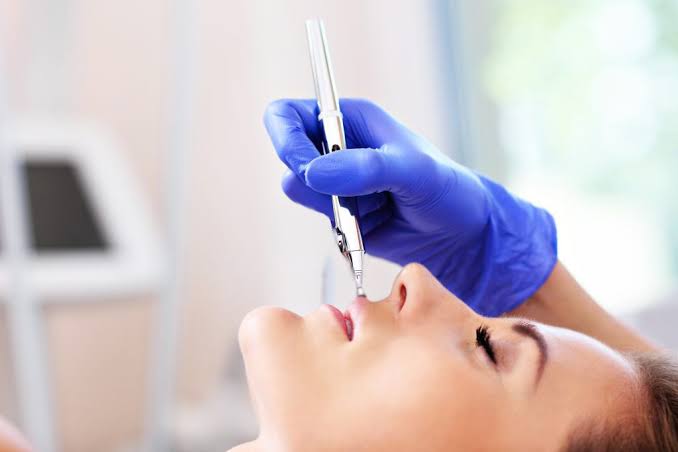
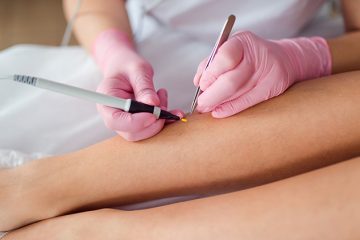
Electrolysis works by inserting an ultra fine probe into the base of the hair follicle, where a small electrical current triggers a chemical reaction that destroys the stem cells that produce new hair growth. In addition, inserting the probe accurately to the base of the follicle is what makes the treatment effective.
Accurate probe insertion is an essential part of successful electrolysis. When the follicle follows a less predictable path, insertion may require greater precision and experience to ensure the probe reaches the base of the follicle correctly. While this can make treatment more technically demanding, a skilled electrologist can adapt the insertion technique to the individual hair and treatment area.
Moreover, multiple electrolysis permanent hair removal sessions are typically required, because hair grows at different times within its natural growth cycle, and not all hairs are present or visible at any one time. A series of electrolysis treatments ensures every follicle is addressed as it progresses through its individual cycle.
What Clients Should Mention at Their Electrolysis Consultation
One of the most helpful things clients can do is discuss their previous hair removal habits before treatment begins. Knowing how long an area has been tweezed, how frequently hairs have been removed, and whether ingrown hairs have been a recurring problem helps the electrologist develop an appropriate treatment plan.
Mild tingling or stinging during electrolysis treatment is normal, and some temporary redness or swelling may occur afterwards, typically settling on its own within a few hours with appropriate aftercare. For areas with a long history of tweezing, the skin may already be sensitive, which is worth factoring into session length and spacing from the outset.
Providing an accurate history of the treatment area helps create a realistic treatment plan, setting clear expectations from the outset.


Leave a reply
You must be logged in to post a comment.


