Why Efficient Mining Accommodation Is Key to Project Success
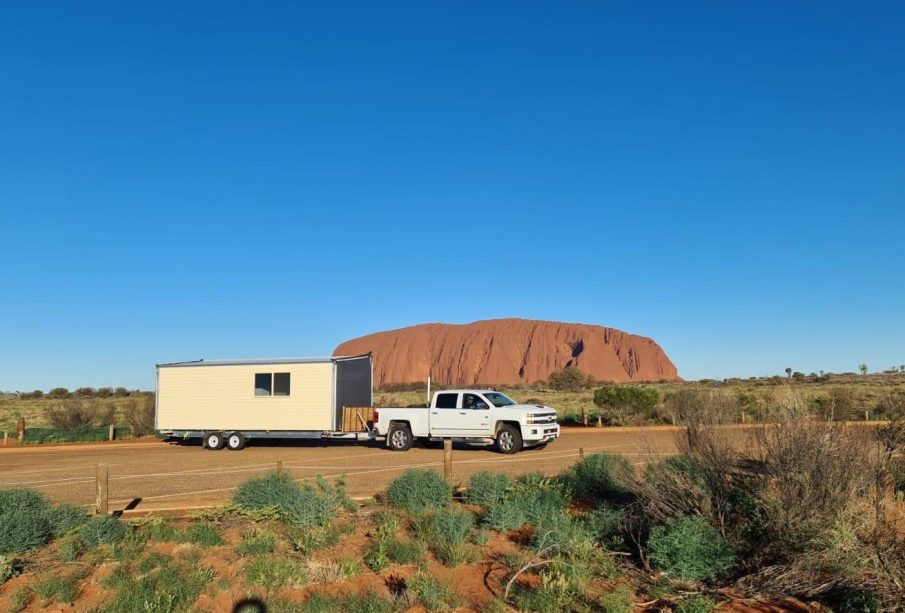
Mining projects tend to emerge in places most people would never choose to live, often across remote stretches of outback Australia, where the nearest town sits hours away by road. Workers on these sites spend weeks at a stretch far from home, and where they sleep and eat has a genuine impact on how they perform each day. Shoddy living quarters wear people down over time, while well-planned ones keep them focused and physically prepared for demanding shifts. For anyone overseeing a mining operation, accommodation is one of the factors that determines whether a project meets its targets or starts bleeding money early on.
The Link Between Worker Wellbeing and Productivity
There is a fairly straightforward equation at play in remote mining. A crew that sleeps poorly and lacks access to decent amenities will not perform at its best over sustained periods. Mining shifts are long and physically demanding, which means recovery time between them carries more weight than many site operators tend to acknowledge.
Portable and modular buildings purpose-built for mining accommodation on remote sites address this gap effectively. These setups generally come fitted with climate control, proper bedding, kitchen and bathroom facilities, and shared common areas designed for the conditions found across Australian mine sites, from inland heat to coastal humidity.
The flow-on effects of getting this right are difficult to overlook:
- Fewer safety incidents tied to fatigue or lapses in concentration take place during high-risk tasks
- Lower absenteeism, as workers are less inclined to request early rotation or take unplanned leave
- Stronger crew retention, which reduces the ongoing cost and disruption of replacing experienced personnel
- Better morale across teams, which tends to make daily operations run with less friction
Safe Work Australia’s 2024 report on work-related fatigue highlighted that industries relying on remote shift work, including mining, carry a heightened risk of fatigue-related injuries. Addressing rest and living conditions remains one of the most direct ways to bring that risk down across a site.
Speed of Deployment and Operational Flexibility
Timelines in mining are rarely generous, and delays in setting up accommodation can push the entire project schedule back with them. Traditional construction methods are slow under normal circumstances and become far less practical in locations with little to no existing infrastructure nearby.
Modular and portable accommodation changes that situation considerably. Units are manufactured off-site, transported in, and assembled in a fraction of the time a conventional build would require. This means crews can settle in sooner, and actual project work can begin closer to the original schedule.
The flexibility these solutions offer also matters more than many operators initially expect:
- Units can be added incrementally as the workforce grows through different project phases
- They can be relocated once operations at a particular site come to an end
- The same structures can be reconfigured to serve as offices, mess halls, or medical bays, depending on current needs
This level of adaptability prevents operators from sinking capital into permanent buildings that may only be needed for a limited period. Plus, it supports multi-phase projects where the workforce moves between different locations. It helps because the arrangement offers convenience despite a change in operational priorities.
Cost Management and Regulatory Compliance
Budget overruns are a persistent threat to the success of mining projects. Accommodation costs are a common culprit when planning falls short. Modular housing offers a more predictable cost structure because units are factory-built to standard specifications. This gives operators clearer pricing upfront and fewer unexpected expenses once installation begins on-site.
Compliance adds another layer of responsibility that simply can’t be ignored. Australian mining operations must meet strict housing standards, covering the following:
- Ventilation
- Sanitation
- Sleeping space per person
- Fire safety protocols
State-level regulators such as the Queensland Department of Resources and the Western Australian Department of Mines enforce these benchmarks consistently. It’s crucial to note that the tolerance for non-compliance is limited.
Falling short of these requirements can result in serious consequences:
- Work stoppages issued by regulators, which halt production and create multiple delays at various levels
- Financial penalties that adversely affect the already tight project margins
- Reputational harm that makes it harder to attract and retain skilled workers over time
Mining accommodation built specifically for projects is constructed to meet or exceed these standards from the outset. It removes some of the project risk from day one. It allows site managers to direct their attention to core operations instead of responding to housing-related compliance issues after the fact.
Conclusion
Where a mining workforce lives on site influences nearly every other aspect of project performance. It shapes safety records, staff retention, regulatory standing, and whether timelines hold firm or begin to slip. Operators who invest genuine thought and planning into their accommodation solutions give their projects a much stronger foundation from the very beginning.
In a sector where margins stay thin and conditions remain unforgiving, the difference between a project that delivers results and one that stalls often comes down to something as fundamental as proper rest and decent living conditions.



Leave a reply
You must be logged in to post a comment.


