5 Signs That Your Home Needs New Siding
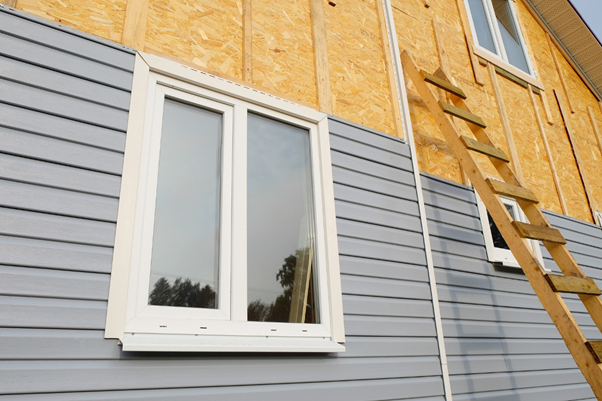
Do you think it’s time to update your home’s siding?
Installing new siding can help improve the appearance and structural integrity of your home, boost its resale value, and make your place more energy efficient.
Because replacing your siding can be expensive and time-consuming, you want to make sure it’s really on its last leg. How can you tell that you need new siding?
Check out this guide to discover the top signs your home needs new siding.
-
The Siding is Blistering or Bubbling
If your home is more than 30 years old, there’s a good chance that your vinyl siding has started to blister or bubble. Many people worry that if they replace their old vinyl siding with new vinyl siding, the same thing will happen.
However, today’s vinyl siding is constructed with much stronger, more durable materials than the siding from the 60s and 70s. Today’s vinyl siding can withstand the hot sun as well as sub-zero temperatures without blistering or bubbling. You can check out this post to learn more about the benefits of vinyl siding.
-
Your Heating Bills are Skyrocketing
If your heating bills have been skyrocketing, you first need to check your home to make sure there aren’t any leaks. You should also check your attic to see if it needs a new layer of insulation.
If this isn’t the culprit, then it’s likely that your siding is to blame. Old, low-quality siding doesn’t offer much insulation to your home or protection from the weather. As we mentioned earlier, updating your siding can help lower your energy bills and keep your home at a consistent temperature.
-
The Siding is Rotting or Warping
If your siding is warping or rotting, that’s another sign that it’s in need of an update. If you find any siding that’s warped, take a screwdriver and inspect underneath it.
If it’s soft or there’s rot below, that’s a sure sign that you need to replace it right away. Otherwise, the rot could spread to other parts of your home and compromise your home’s structural integrity.
-
Cracked or Loose Siding
If there are just one or two cracked or loose siding boards, you can usually fix them without having to replace all of your home’s siding.
However, if the damage is expensive, it’s best to redo the whole thing. Often, a big storm will cause damage to multiple siding boards. If you don’t replace cracked or loose siding promptly, water may seep into them and cause more damage to your home.
-
There’s Mold
Take a walk around your home and inspect your siding for any mildew, mold, or fungus. Typically, it’ll appear as black spots that look like dirt.
If you find mold, it typically means that water has somehow seeped into your siding. You’ll need to further investigate the growth, and if necessary, replace your siding so the mold doesn’t cause damage to the rest of your home.
Are You Ready to Install New Siding?
Now that you’ve read this guide, it’s time for you to decide if it’s time to install new siding on your home. If the answer is yes, then your next step is to start researching siding contractors.
And be sure to check back in with our blog for more home improvement tips.


Leave a reply
You must be logged in to post a comment.

