Right Arm Pain: Causes and Solutions Tips
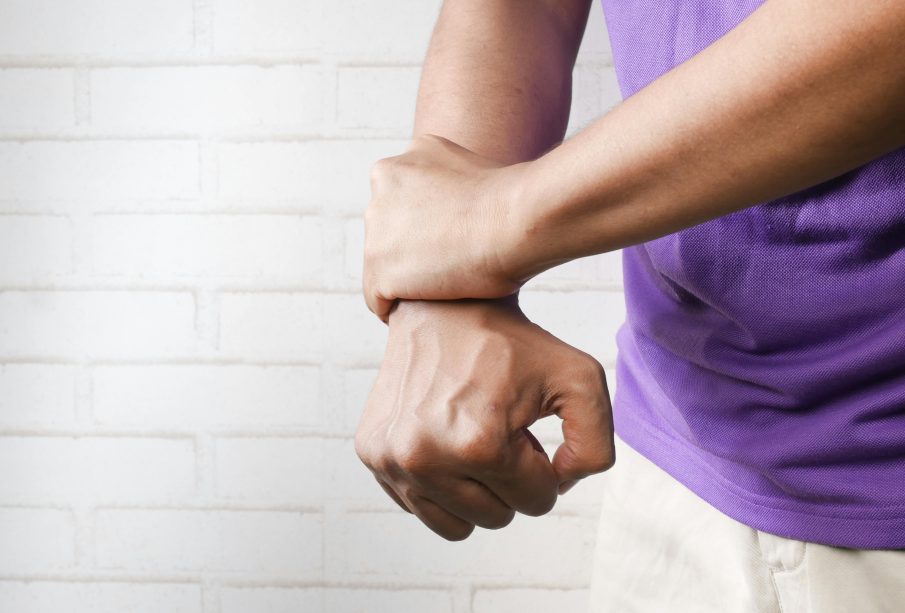
Right arm pain can impede daily activities and mobility. Although its causes may range from minor to more serious health concerns, understanding its source allows individuals to take appropriate actions; often, simple strategies or lifestyle adjustments can alleviate discomfort and restore function.
Common Causes of Right Arm Pain
Right arm pain may stem from injuries, muscle strain, or medical conditions; to ensure effective management, it’s essential to identify its source.
Muscle Strain and Overuse
Muscle strain occurs when arms are overworked or subjected to repetitive movements, such as lifting heavy objects, typing for extended periods or engaging in vigorous physical activities such as lifting weights or intense physical activities such as running. Common symptoms of muscle strain are soreness, stiffness, and mild swelling. Tasks such as these could strain them significantly and increase risk.
Nerve Compression or Pinched Nerves
Compression of nerves in the neck or shoulder can produce radiating pain in the right arm, while herniated discs, spinal stenosis, or poor posture may irritate nerves further and result in discomfort with associated symptoms like tingling sensations, numbness, or weakness in those affected.
Tendon or Ligament Issues
Tendinitis, bursitis, and ligament injuries are frequent sources of right arm discomfort. Tendinitis refers to inflammation of the tendon connecting muscle to bone; bursitis involves fluid-filled sacs, which reduce friction in joints; both conditions typically present with localized pain along with difficulty moving freely in one arm.
Heart-Related Issues
Pain in the right arm may signal heart-related issues, although less often than left-sided symptoms. Angina or heart attacks may manifest themselves with radiating right arm pain as well as chest discomfort, shortness of breath, or dizziness, requiring immediate medical intervention in these instances.
Fractures and Traumatic Injuries
Accidents, falls, or sudden impacts can fracture bones or damage soft tissues in the right arm, often resulting in sharp pain, swelling, bruising, and limited mobility. Early evaluation is key in order to avoid long-term complications.
Signs That Require Immediate Attention
Certain symptoms associated with right arm pain require urgent medical treatment, including:
- Pain that suddenly occurs without an identifiable cause
- Arm or hand weakness
- Chest pain or pressure with radiating arm discomfort
- Visible deformity or incapacity to move the arm
- Persistent swelling or bruising after an injury
Recognizing these warning signs early can help prevent complications and ensure timely treatment.
Simple Solutions to Right Arm Pain
Many cases of right arm pain are significantly alleviated with non-invasive measures that support recovery and alleviate discomfort.
Rest and Activity Modification
Rest is key when treating an arm injury, as any activity that increases strain must be limited in order for muscles and tendons to recover properly. Alternating periods of movement and rest allows blood circulation without aggravating an already existing injury.
Gentle Stretching and Exercise Routines
Stretching and strengthening exercises can provide great relief from tension while increasing flexibility. Light stretches targeting shoulders, biceps, and triceps can reduce stiffness in these areas while gradual strengthening exercises develop muscle support to protect against future injuries.
Cold and Warm Therapy
Applying cold packs within 24 to 48 hours of pain may help to decrease inflammation and ease discomfort, while gentle warmth can increase blood flow, relax muscles, and promote healing. Alternating between cold and warm therapy may provide extra relief.
Proper Posture and Ergonomics
Maintaining proper posture reduces stress on the neck, shoulders, and arms. Ergonomic adjustments such as proper chair height, keyboard positioning, and supportive seating help avoid nerve compression and muscle strain. Being aware of one’s posture during daily activities is key to long-term improvement.
Over-the-Counter Pain Relievers may offer temporary pain relief
Non-prescription pain medications may provide temporary relief from mild injuries and inflammation. When used according to their recommended dosage and for short-term relief, consult with a healthcare provider first, as this will ensure safe usage – particularly for individuals who also have additional medical conditions.
When Should Professional Assistance be Sought?
Persistent or worsening right arm pain should be evaluated by a healthcare provider. They may conduct imaging tests such as X-rays or MRI scans to identify fractures, nerve compression, or joint issues; physical therapy, prescription medications, or targeted interventions may then be recommended based on this diagnosis.
Physical Therapy
A structured physical therapy program can restore strength, mobility, and function to patients suffering from pain. Therapists guide their clients through exercises, stretches, and manual techniques tailored to address the source of discomfort. Regular sessions enhance recovery times while decreasing future injuries.
Medical Procedures
At times, injections, surgery, or other forms of medical procedures may be necessary. When conservative measures fail to provide relief, early consultation with a specialist is invaluable in finding an ideal remedy.
Preventing Right Arm Pain
- Prevention entails healthy habits and mindful practices that protect muscles, joints, and nerves.
- Avoid repetitive strain by taking frequent breaks during work or exercise to relieve tension and avoid repetitive strain.
- Use proper lifting techniques to minimize strain on muscles and tendons.
- Balance diet and hydration for optimal tissue health
- Make time for regular exercise to strengthen muscles and increase flexibility, helping strengthen and expand your flexibility.
- Monitor posture and ergonomics during daily activities in order to prevent nerve compression.
Implementing these measures, individuals can lower their chances of developing persistent discomfort in their right arm.
Explore: What Triggers Acne Around the Mouth and How to Stop It
Conclusion
Right arm pain may stem from muscle strain, nerve issues, injuries, or medical conditions. While minor discomfort often improves with rest and stretching techniques, persistent or severe symptoms require professional evaluation. Combining preventative strategies with timely treatments can help individuals manage pain effectively and maintain arm function. Lifestyle changes, such as ergonomic considerations and mindful exercise routines, can reduce recurring discomfort significantly.



Leave a reply
You must be logged in to post a comment.


