Does Drinking Water Lower Blood Pressure?
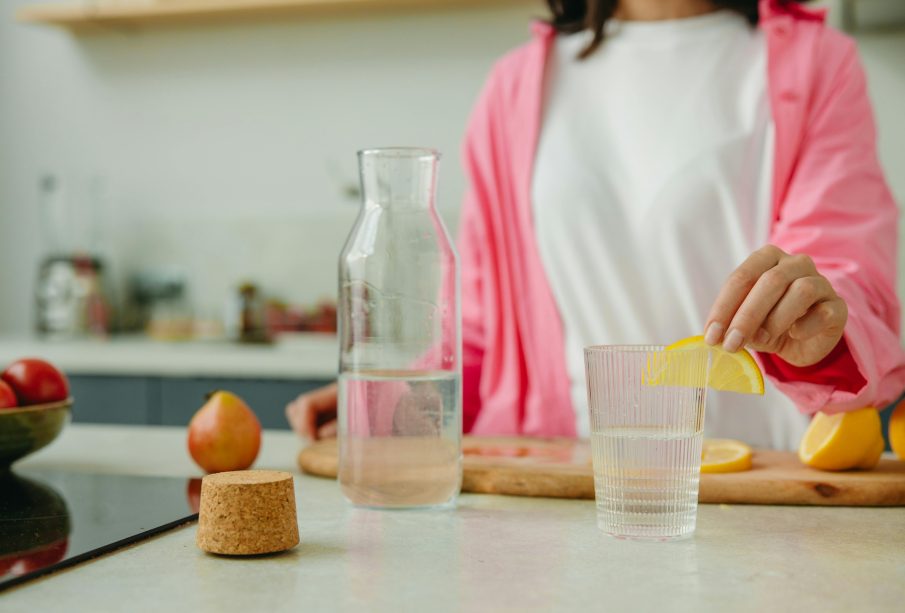
The importance of maintaining healthy blood pressure levels for the general public’s health cannot be overstated. Scientists have focused their efforts on exploring natural lifestyle habits that may help reduce a person’s blood pressure. Does drinking water lower blood pressure? This is a frequent question faced. Usually, we are advised to drink water for good health, but its relationship with blood pressure requires more attention.
Importance of Hydration in The Body
This is because water is an integral part of almost every human function. It supports digestion, circulation and regulates body temperature. Good hydration helps blood flow smoothly through arteries and veins. A low blood volume means the heart has to work harder if the body doesn’t have enough fluid. This extra stress can affect blood pressure for a short period.
Blood Pressure and Fluid Balance
Blood pressure is the measure of the strength of blood pushing against the walls of arteries. These pressures XXX depend on a variety of factors, including blood volume, heart rate, and arterial stiffness. In other words, H2O can immediately boost blood volume, as blood quantity is a key factor in maintaining steady blood pressure. Drinking enough water helps maintain this balance, ensuring the cardiovascular system functions as it should.
The body may respond to dehydration by releasing hormones that constrict blood vessels, potentially leading to elevated blood pressure. Drinking enough water allows the body to stay in balance with fluids; that means it is less likely to spike in these hormones that stimulate our appetites. Although water cannot replace the medication or other treatments for hypertension, it can serve as an adjunct for daily blood pressure control.
Immediate Effects of Drinking Water
Drinking water can have an immediate effect on blood pressure. There was a short-term rise in blood pressure in certain trials involving people who drank water. This reflex occurs in response to a slight contraction of blood vessels that may happen when drinking water, which can activate the sympathetic nervous system. However, the effect is fairly weak and transient. When you stay hydrated over the long term, you can maintain your blood pressure within normal limits without experiencing major fluctuations.
Long-Term Benefits of Hydration
Drinking water promotes heart health in a number of ways:
- Better Circulation: Proper hydration gives your blood room to flow freely, which in turn relieves the strain on your heart.
- Enhancement of kidney function: Adequate water intake helps the kidneys excrete excess sodium, which may naturally lower blood pressure.
- Help Your Weight Management: Drinking water before meals may increase weight loss, which can indirectly aid in lowering blood pressure.
- Hormonal control: Proper hydration also halts the secretion of stress hormones, which leads to the constriction of blood vessels.
In the long run, drinking adequate water consistently throughout the day can lead to slight benefits in cardiovascular function and stabilise blood pressure levels.
How Much Water Is Enough?
The required amount of water depends on your age, exercise level, and weather conditions. A general recommendation is to drink approximately eight glasses, or two litres, of water per day. However, individual requirements can differ. It’s better to drink water in small sips throughout the day than all at once. Additionally, fruits and vegetables contribute to daily hydration, indirectly supporting heart health.
Water as a Part of a Healthy Lifestyle
Water is good, but it’s not the only thing you can rely on. Maintaining blood pressure is also dependent on factors such as exercise, dietary habits, sodium reduction, and stress management. Because hydration is a part of the overall lifestyle approach, you will not acquire results that fade.
High blood pressure medications may not work efficiently due to water loss, especially if you are not drinking enough fluids. Tracking water intake along with blood pressure data encourages the individual to observe any relationships between water intake and cardiovascular health. That little-by-little approach does tend to make a difference in the long run.
Explore: How long does a UTI last?
Conclusion
So, does drinking water lower blood pressure — yes or no? It is a little complicated. While water may not directly lower high blood pressure, it facilitates the body’s basic functions, which are essential for heart health. Good hydration ensures that blood volume is maintained, kidney function is optimal, and the release of hormones related to stress is prevented.
Making even simple changes, such as drinking more water in combination with a healthy diet and a physically active lifestyle, can help achieve consistent blood pressure control and contribute to overall health. In the midst of all these new habits and fads, drinking water is not only simple, easy to incorporate into your day, and effective, but also inexpensive, contributing to heart health alongside other healthy practices and diets.



Leave a reply
You must be logged in to post a comment.


