Step-by-Step Acid Wash Cleaning Guide

Acid wash cleaning has become a popular method for restoring and maintaining concrete surfaces, especially in areas exposed to dirt, stains, or wear over time. The process involves the careful application of an acid solution to clean and brighten surfaces while removing stubborn grime. While often associated with commercial or industrial settings, homeowners and property managers are increasingly interested in understanding how acid wash cleaning works. This guide provides a detailed, step-by-step approach to performing acid wash cleaning safely and effectively.
Understanding Acid Wash Cleaning
Acid wash cleaning is primarily used to clean concrete, stone, and masonry surfaces. The method works by applying a mild acid solution that reacts with surface contaminants. This reaction loosens dirt, rust stains, and mineral deposits, allowing them to be washed away easily. The process also slightly etches the surface, which can improve texture and prepare it for sealing or finishing.
Safety is crucial when working with acid solutions. Proper protective gear, such as gloves, goggles, and masks, is necessary to prevent chemical burns or inhalation of fumes. Additionally, surfaces near the work area should be protected to avoid accidental damage. Understanding the chemistry and potential hazards ensures a cleaner surface and a safer environment.
Preparing the Area
Before beginning an acid wash, preparation is essential. Surfaces should be swept thoroughly to remove loose debris such as dust, leaves, and dirt. Any large stains or spots can be pre-treated using a specialized cleaner suitable for the material. It is also important to identify nearby plants, metals, or painted surfaces that could be damaged by acid. These areas should be covered with plastic sheeting or removed entirely if possible.
Proper ventilation is vital in indoor areas. Open windows and doors to allow airflow, or use fans to minimize the concentration of fumes. Gathering all required tools before starting—such as brushes, buckets, sprayers, and neutralizing agents—prevents interruptions during the cleaning process. This step sets the foundation for a smooth and effective acid wash.
Selecting the Right Acid Solution
The type of acid used depends on the surface and the level of cleaning required. Commonly, muriatic acid diluted with water is used for concrete, while specialized masonry acids may be appropriate for other surfaces. Concentration levels should be adjusted carefully, as stronger solutions can damage surfaces or create hazardous conditions.
It is recommended to follow manufacturer guidelines or consult professionals if uncertain. Mixing acid with water should always be done by adding acid to water, not the reverse, to prevent violent reactions. Correctly prepared solutions ensure the cleaning process is effective without compromising safety.
Step-by-Step Cleaning Process
Step 1: Wet the Surface
Before applying the acid, the surface should be thoroughly dampened. This prevents the acid from soaking in too deeply, which can cause uneven etching or damage. Using a hose or bucket, evenly wet the entire area. Avoid puddles, as concentrated spots can lead to over-etching.
Step 2: Apply the Acid Solution
Once damp, the acid solution can be applied. Sprayers or brushes can be used depending on the size of the area. It is important to work in sections to maintain control and prevent the acid from drying prematurely. Even coverage ensures consistent cleaning and etching across the surface.
Step 3: Scrub the Surface
After application, gentle scrubbing helps to lift dirt and stains. Soft to medium-bristle brushes are recommended to avoid excessive surface damage. Working in circular motions can help remove stubborn deposits while allowing the acid to react properly with contaminants.
Step 4: Rinse Thoroughly
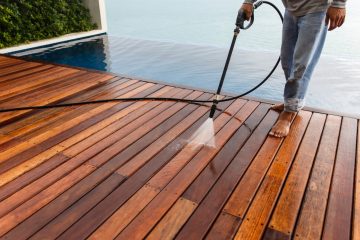
Rinsing is a critical step. Use plenty of water to wash away the acid and dissolved debris. Multiple rinses may be necessary for large or heavily stained surfaces. Ensuring no residual acid remains prevents future surface damage or discoloration.
Step 5: Neutralize Remaining Acid
To protect the surface, neutralization is often recommended. A solution of baking soda and water can effectively neutralize leftover acid. Apply evenly, allow it to sit briefly, then rinse thoroughly. This step enhances safety and prolongs the life of the cleaned surface.
Step 6: Inspect and Repeat if Necessary
After the first wash, inspect the surface for remaining stains or uneven areas. Some spots may require a second application, particularly in high-traffic or heavily stained regions. Repeating the process in small sections ensures a uniform result without overexposing the surface to acid.
Safety Considerations
Working with acids involves inherent risks. Protective clothing, gloves, goggles, and respiratory protection are essential. Spills should be cleaned immediately, and access to the area should be restricted during and after the process.
It is also important to avoid mixing different chemicals unless recommended. Unintended reactions can produce toxic fumes or damage surfaces. Awareness of environmental regulations regarding acid disposal is necessary to prevent contamination and comply with local laws.
Maintaining Acid-Washed Surfaces
Once the acid wash is complete, maintenance extends the appearance and longevity of the surface. Regular sweeping and occasional washing with mild detergents help prevent buildup. Avoid harsh chemicals that can undo the benefits of acid cleaning.
Sealing the surface after it dries can also protect it from future staining. Sealants form a barrier that reduces the absorption of oils, dirt, and moisture. Proper maintenance complements the cleaning process, keeping surfaces bright and clean for longer periods.
Professional Assistance
While the steps outlined can guide property managers or homeowners in performing acid wash cleaning, consulting professionals can be beneficial for larger or delicate surfaces. Experts can ensure proper dilution, application, and neutralization, reducing risks and achieving consistent results. Those interested in professional support may look for options such as acid wash cleaning services in Tauranga, which provide experience and specialized equipment to complete the job efficiently.
Professional services are particularly useful for commercial properties or areas where safety is a concern. Their expertise ensures thorough cleaning without unintended surface damage or safety hazards.
Conclusion
Acid wash cleaning is a practical and effective method for rejuvenating concrete and masonry surfaces. Following careful preparation, correct application, and post-cleaning procedures ensures safe and consistent results. Attention to safety, proper neutralization, and routine maintenance maximizes the benefits of this method.
Whether undertaken independently or with professional support, acid wash cleaning can significantly improve the appearance and durability of surfaces. By adhering to recommended steps and precautions, property managers and homeowners can restore surfaces to a clean, bright state with confidence.
Leave a reply
You must be logged in to post a comment.


